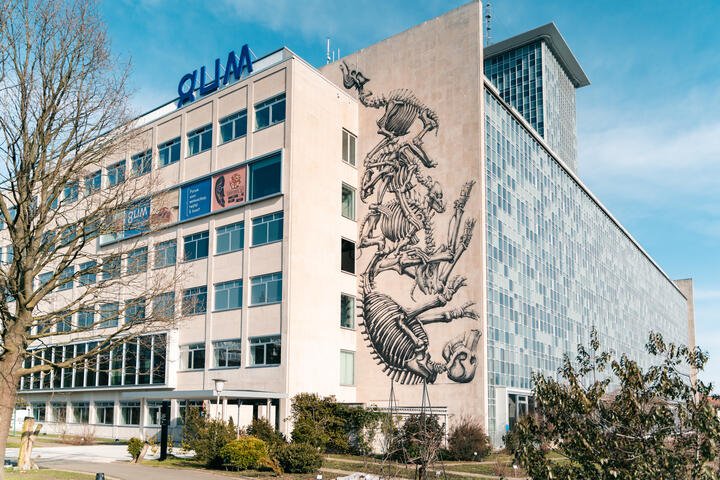
GUM Ghent
GUM Ghent
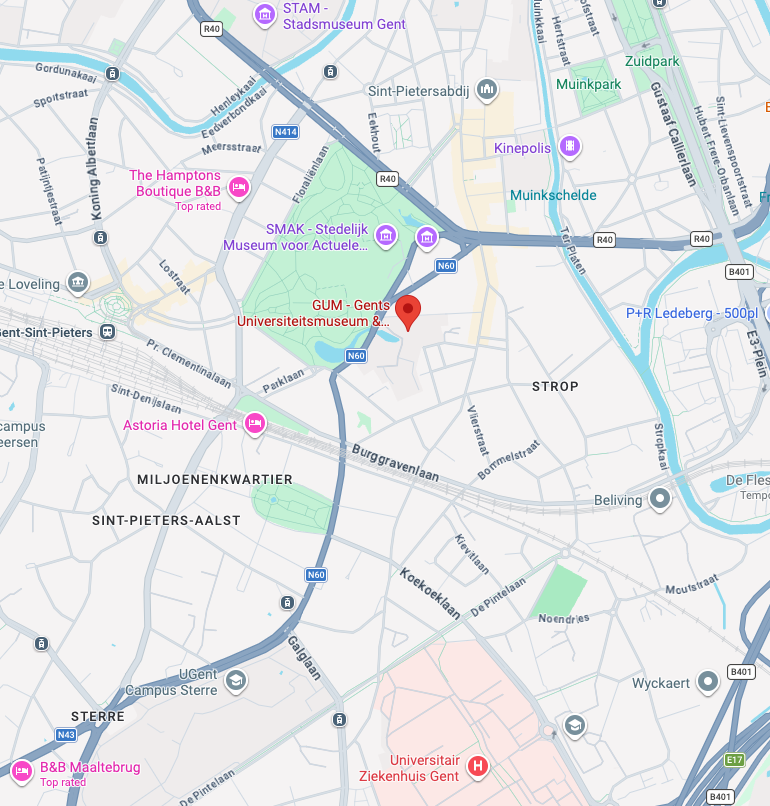
We are delighted to welcome Gents Universiteitsmuseum & Plantentuin (GUM, Ghent University Museum and Botanic Garden) in Ghent, Belgium as a participant in the WanBel global network.
GUM is part of Universiteit Gent (University of Ghent) and is a museum dedicated to science, research and critical thinking, where visitors can discover that scholarship is the result of trial and error, doubt and imagination.
Among the 400,000 specimens and objects the museum has a superb collection of 5,000 examples of enthnographic art and objects from around the world. The Ethnographic Collections originate from the early years of Ghent University (founded in 1817 by King William I of the Netherlands), specifically from 1825-1826 and 1829. During this time, a collection of objects from Southeast Asia, known as the Javanica, was donated to the university’s newly established Musée des Antiquités.
The museum and university has been a pioneer in the scientific study of ethnographic art and objects, notably forming the "Center for the Study of African Art" in 1939, and the collection is extensively studied by Ghent University researchers and students, as well as by international scholars. Active collaborations exist for several sub-collections, including with Waseda University in Tokyo for the Oceania Collection.
The majority of the PNG art and objects were sourced from the Berlin museum in 1905 and came from German New Guinea.
To find out more click on the link below