Musée d'ethnographie de Genève
Musée d'ethnographie de Genève
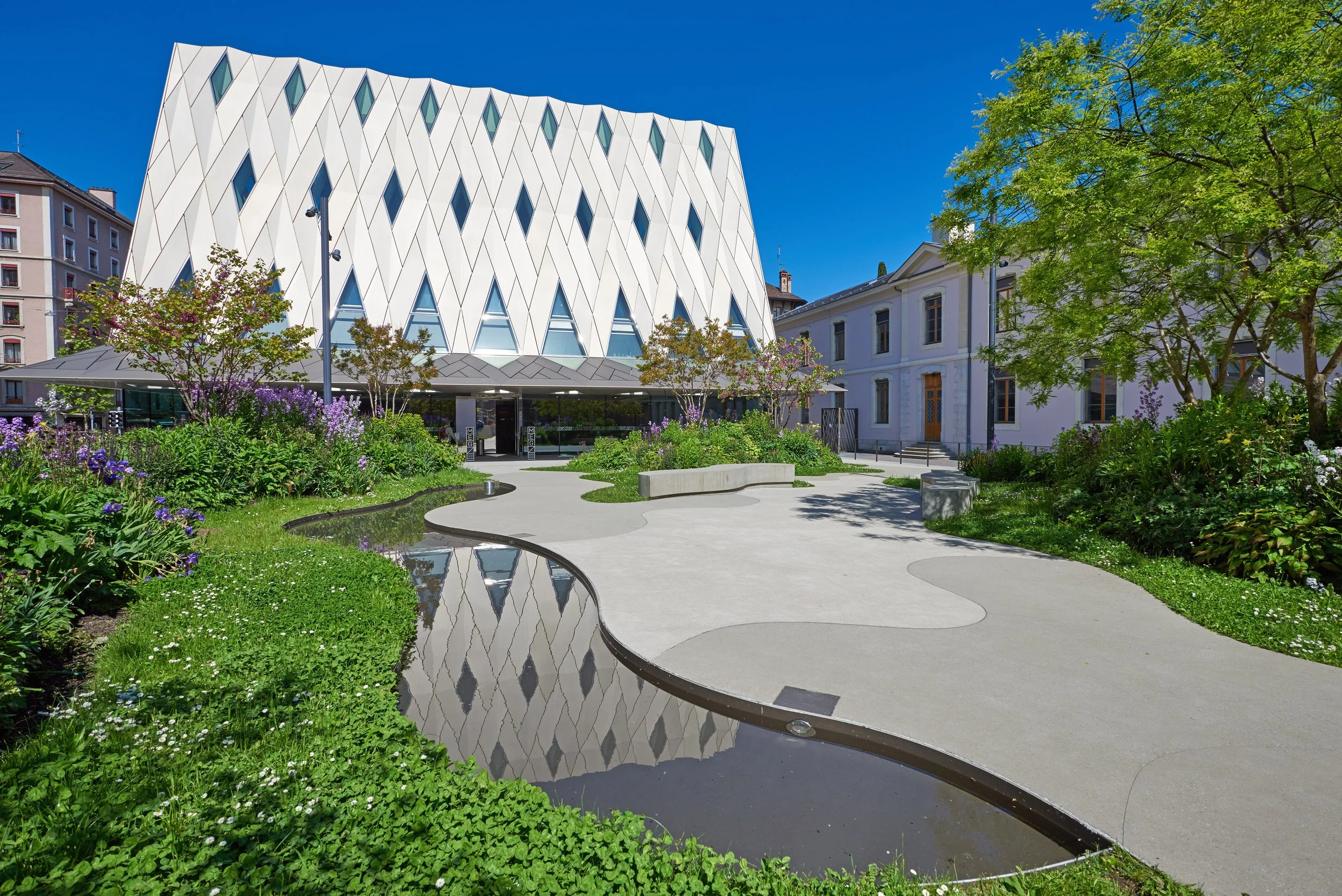

We are delighted to welcome Musée d'ethnographie de Genève as a participant of the WanBel global project.
Founded in 1901 by Eugène Pittard and inaugurated in 1906, the Musée d’ethnographie de Genève (MEG) grew from public and private ethnographic holdings in Geneva, including materials from the Société des Missions évangéliques and later expanded through major acquisitions and exchanges.
MEG’s Oceania department, now part of a 74,000 object ethnographic collection, includes substantial PNG materials gathered from the late 19th to mid‑20th century via collectors, missionary networks, and museum‑to‑museum transfers. Together this collection is now one of Europe’s most significant collections from PNG, with more than 2,500 works, including a superb group of malagan figures and ritual masks from New Ireland. Its collections also reflect the artistic vitality of the Bismark Islands, New Britain, the Sepik River and other regions of PNG which are displayed alongside art and objects from across Oceania, positioning the museum as a key institution for understanding the region’s diverse heritage.
MEG is widely recognized for its critical approach to provenance research, transparency, and decolonizing practice, alongside its dedication to documenting and interpreting global traditions. The permanent exhibition The Archive of Human Diversity exemplifies its commitment to responsible and inclusive museum practices. Through this work, MEG continues to play a leading role in shaping contemporary ethnographic stewardship and intercultural dialogue.
The museum also leads with extensive digital resources and provides robust and open online access to its collections for remote study and partnership development:
To find out more click on the link below